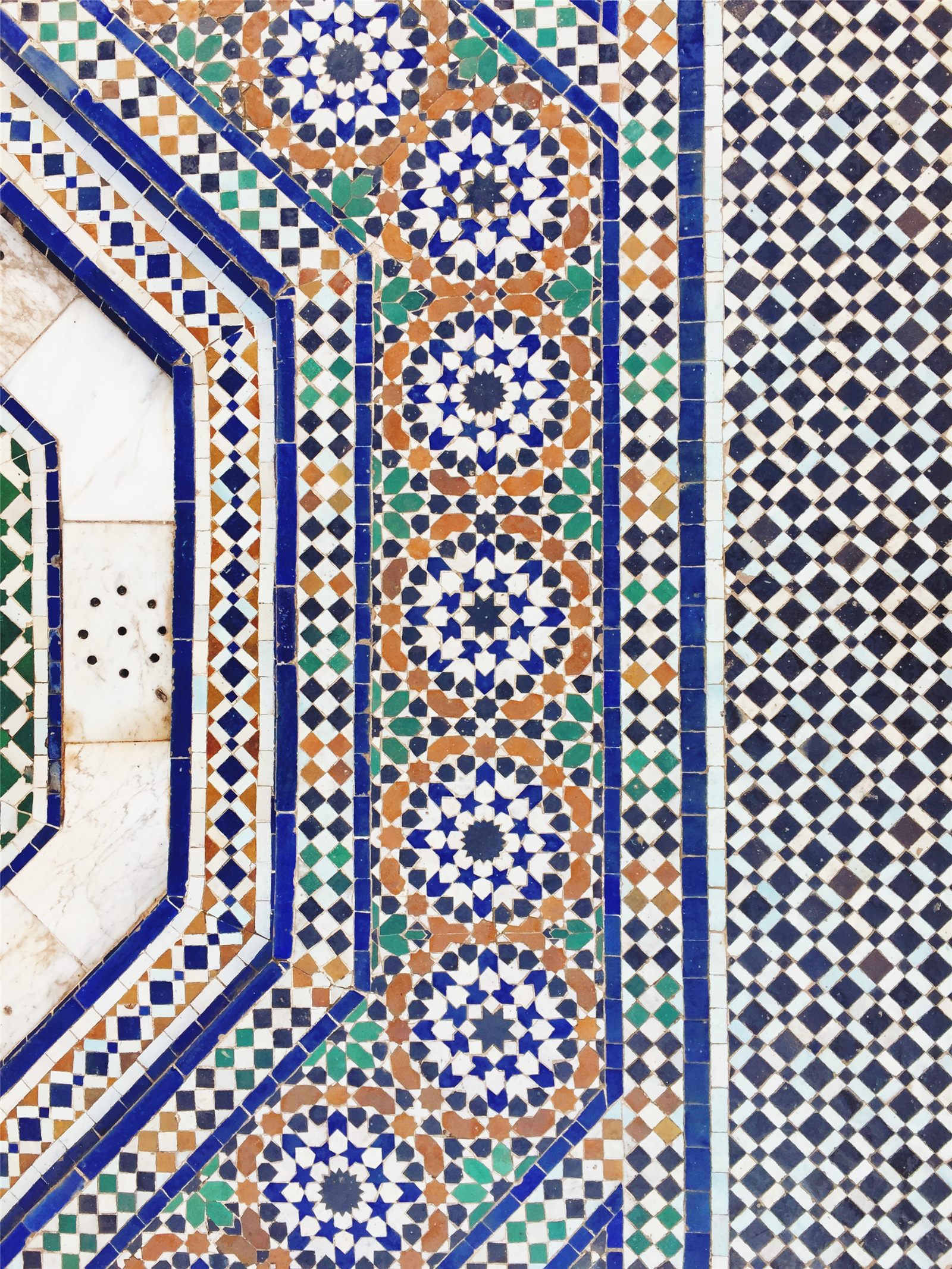
During the French Protectorate, parts of Bahia Palace were used for official residence and administration. This period added another political layer to a complex already shaped by Moroccan court power.
Researched and updated 22 September 2026.
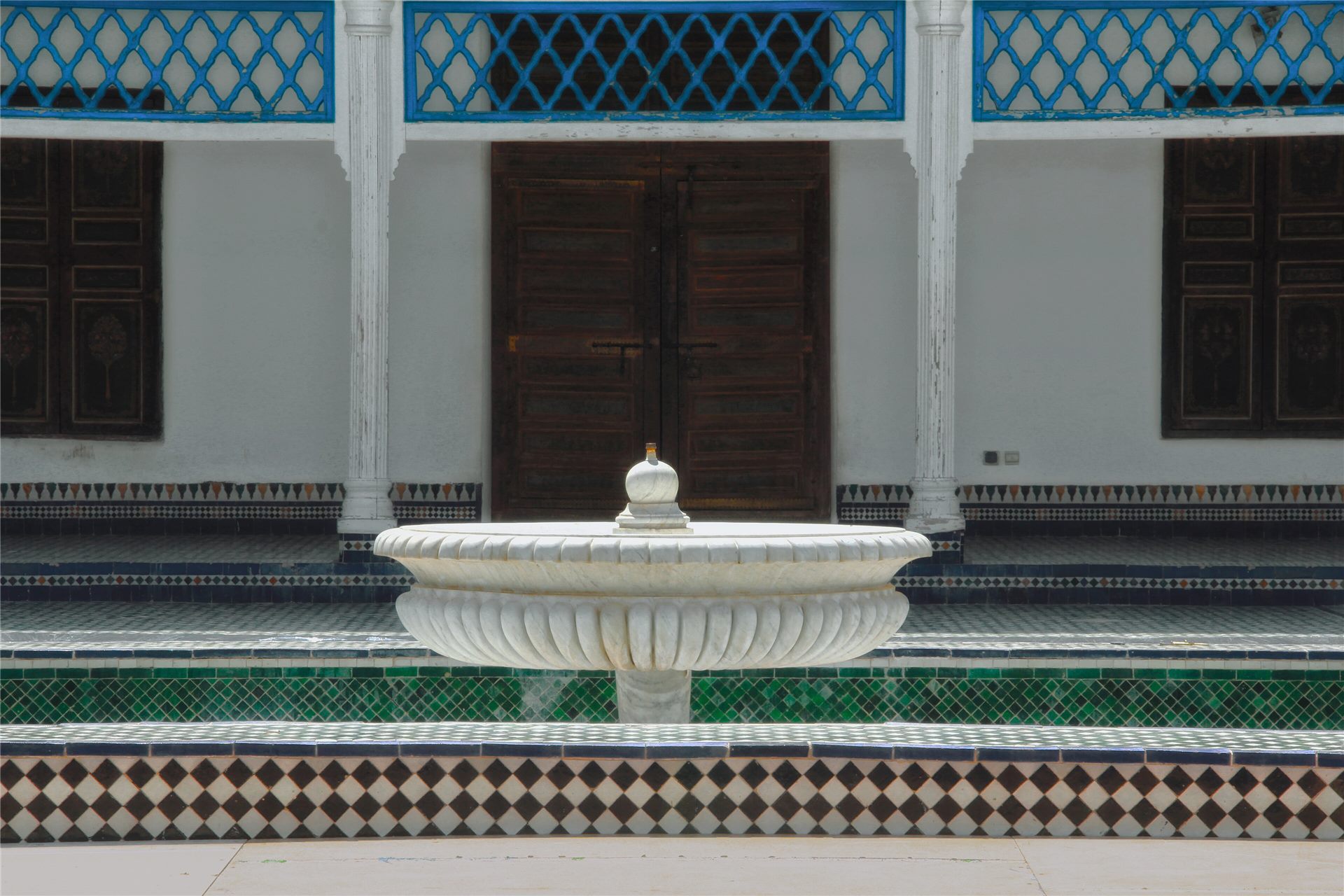
A new official use
Colonial authorities used prestigious existing buildings to project power and administer the Protectorate. Bahia’s scale, location and representational rooms made it suitable for official occupation.
Change and preservation
Modern services and adaptations were introduced while much of the fixed decoration remained. Any account of preservation must also recognise that continued official use changed how the palace functioned and who controlled it.
Reading this period today
The visitor route offers limited explanation of colonial administration. Place this chapter within the wider history of Marrakesh and Moroccan resistance rather than treating it as a neutral episode of building maintenance.
Context that changes how you see it
The official restoration report states that under the French Protectorate the palace served as the seat of the Residence-General under Marshal Lyautey. That makes the building part of colonial administration, not merely a picturesque residence.
Edith Wharton described the Bahia as the Resident-General’s palace in her 1920 travel account. Her writing is a contemporary foreign perspective, useful as evidence of use and attitude but not a neutral account of Morocco.
Questions visitors ask
What was the palace used for?
Official documentation says it served as the seat of the French Residence-General.
Did Lyautey build Bahia Palace?
No. The palace predates the Protectorate; colonial authorities later occupied it.
Why mention colonial perspective?
Sources from the period reflect the language and assumptions of colonial rule and need critical reading.
Sources and method
We separate documented facts from visitor interpretation and revise this page when stronger evidence becomes available.