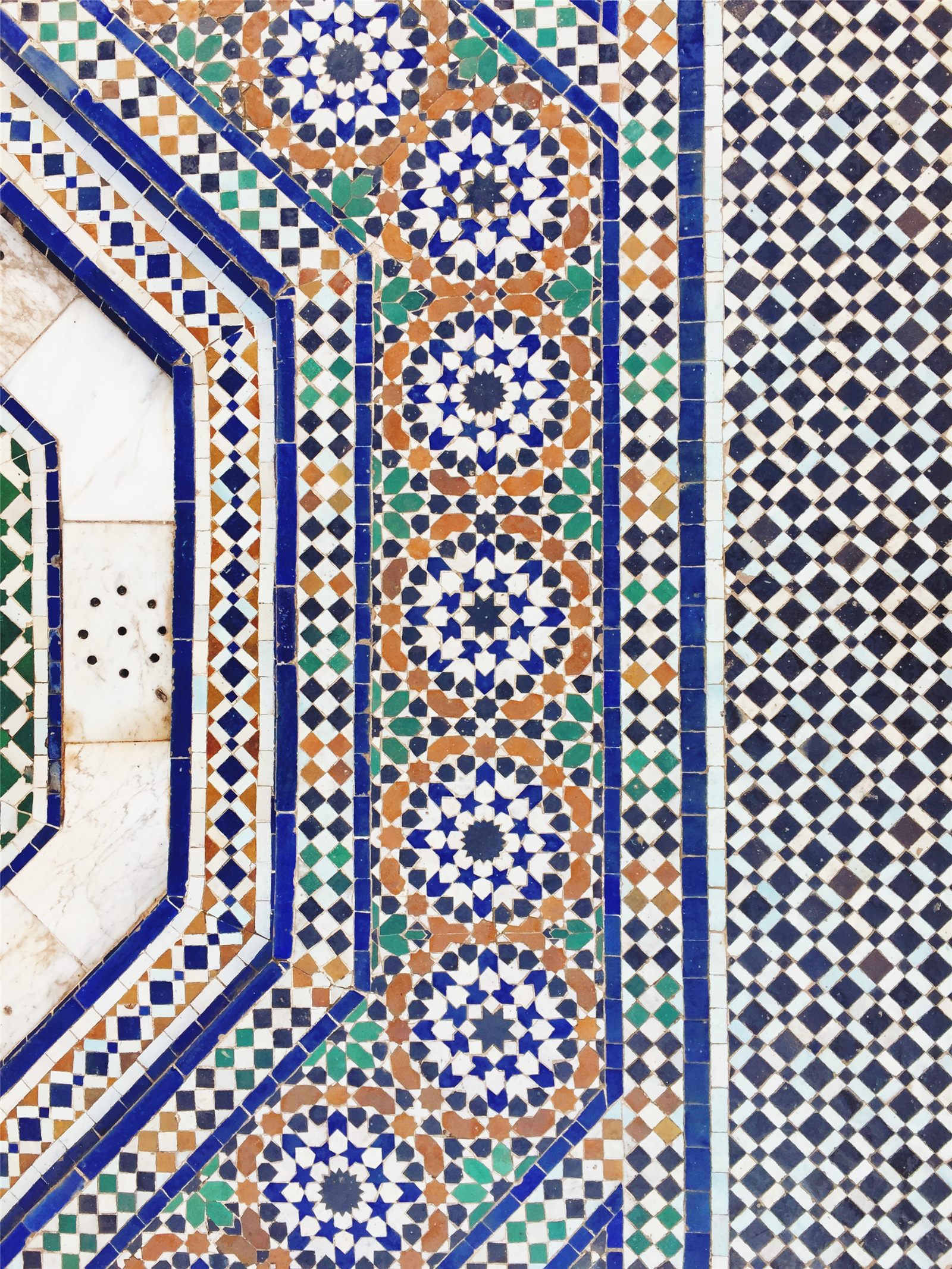
Si Moussa, a powerful grand vizier in the nineteenth-century Alaouite court, established the residence that his son Ba Ahmed later expanded into the Bahia Palace complex known today.
Researched and updated 22 September 2026.
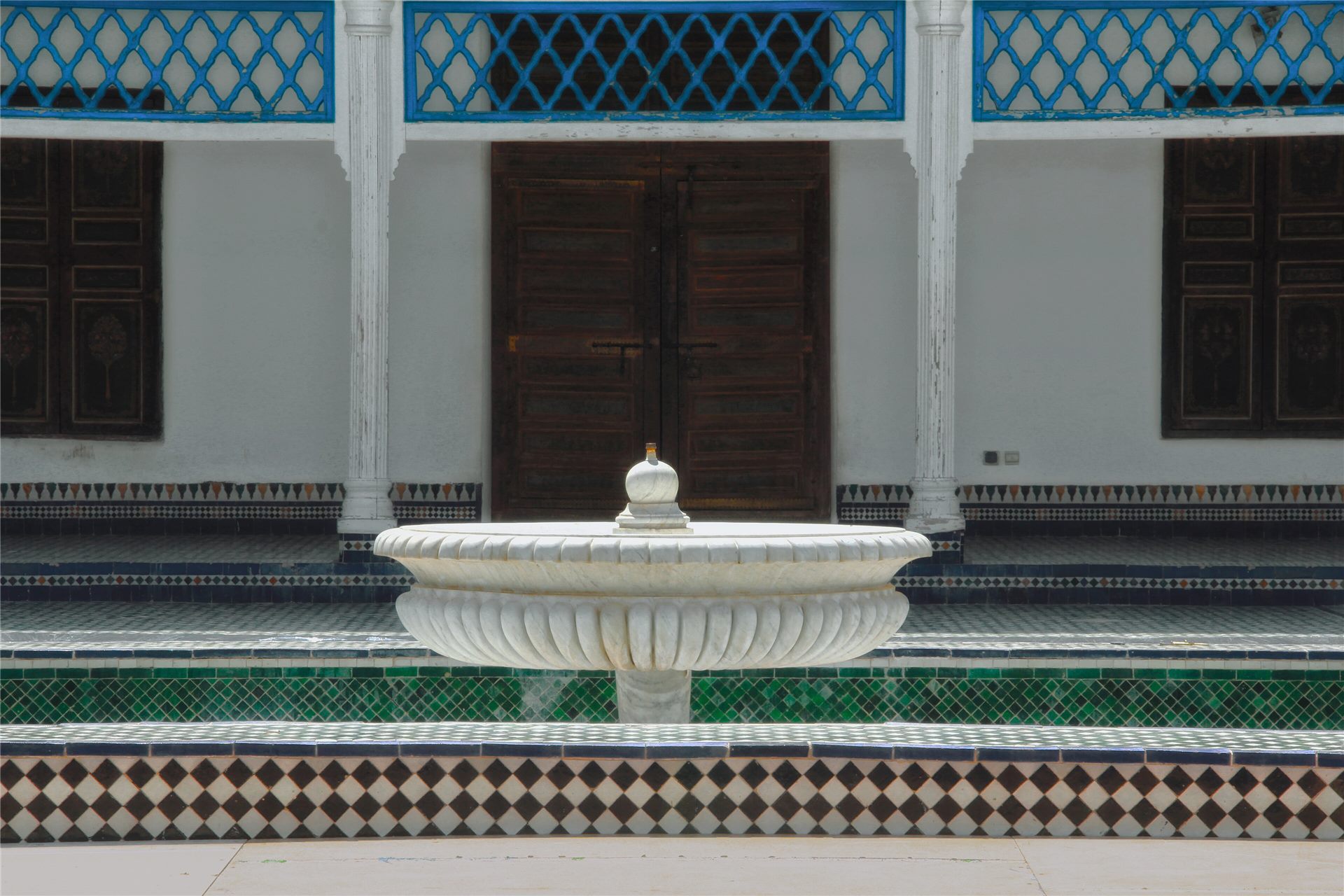
The first phase of Bahia
Si Moussa commissioned an important residence in Marrakech during the nineteenth century. Surviving dated decoration is associated with 1866–67, providing a firm point for the early fabric of the complex.
Power outside the royal palace
The residence belonged to a senior court official rather than a sultan. Its scale and workmanship show how elite households expressed authority through reception space, privacy, gardens and craft.
What his son changed
Ba Ahmed inherited both political influence and the family residence. His later expansion joined additional plots, rooms and gardens, so visitors now experience several phases as one palace.
Context that changes how you see it
Si Moussa is essential to an accurate history of Bahia because the palace did not begin with his son. Morocco’s Ministry of Culture describes Dar Si Moussa as the older nucleus and identifies the large riad, northern courtyard and their dependencies as part of that first residence.
The strongest date for this phase comes from the building itself. The Ministry records inscriptions that place completion of the group in 1866–67. That evidence is more precise than websites that describe the entire palace as simply “built in 1866” or, at the other extreme, date everything to Ba Ahmed after 1894.
Si Moussa served at the Alaouite court and rose to the office of grand vizier under Sultan Hassan I. His residence therefore combined household life with the representational needs of a senior official. Its garden court, rooms and reception spaces formed the base from which the later complex expanded.
The relationship between father and son is where many summaries become confused. Si Moussa created the earlier residence; Ahmed Ben Moussa, known as Ba Ahmed or Ba Hmad, later acquired surrounding houses and transformed the property into a much larger palace. Giving either man sole credit removes a documented phase of construction.
For visitors, the distinction explains the building’s changing character. Bahia is not one perfectly symmetrical commission. Older spaces and later additions were connected across acquired plots, producing turns, thresholds and shifts of scale that make the route feel like a sequence of houses and courts.
This page therefore focuses on Si Moussa’s role, court position and dated architectural nucleus. The separate Ba Ahmed biography covers political regency and the 1894–1900 expansion, while the construction article follows the physical chronology and the named master builder.
Questions visitors ask
Who was Si Moussa?
Si Moussa was a nineteenth-century court official who became grand vizier and established the residence that formed the earliest documented nucleus of Bahia Palace.
Did Si Moussa build Bahia Palace?
He built the earlier residence, but not the complete palace visitors know today. His son Ba Ahmed directed the major later expansion.
When was Dar Si Moussa completed?
The Ministry of Culture cites inscriptions dating the completion of the early group to 1866–67.
Which part belongs to the early residence?
The official description identifies the large riad, northern courtyard and associated spaces as part of Dar Si Moussa.
Why do websites give different builders?
Many summaries compress two construction phases into one. Reliable accounts distinguish Si Moussa’s residence from Ba Ahmed’s later transformation.
Sources and method
We separate documented facts from visitor interpretation and revise this page when stronger evidence becomes available.