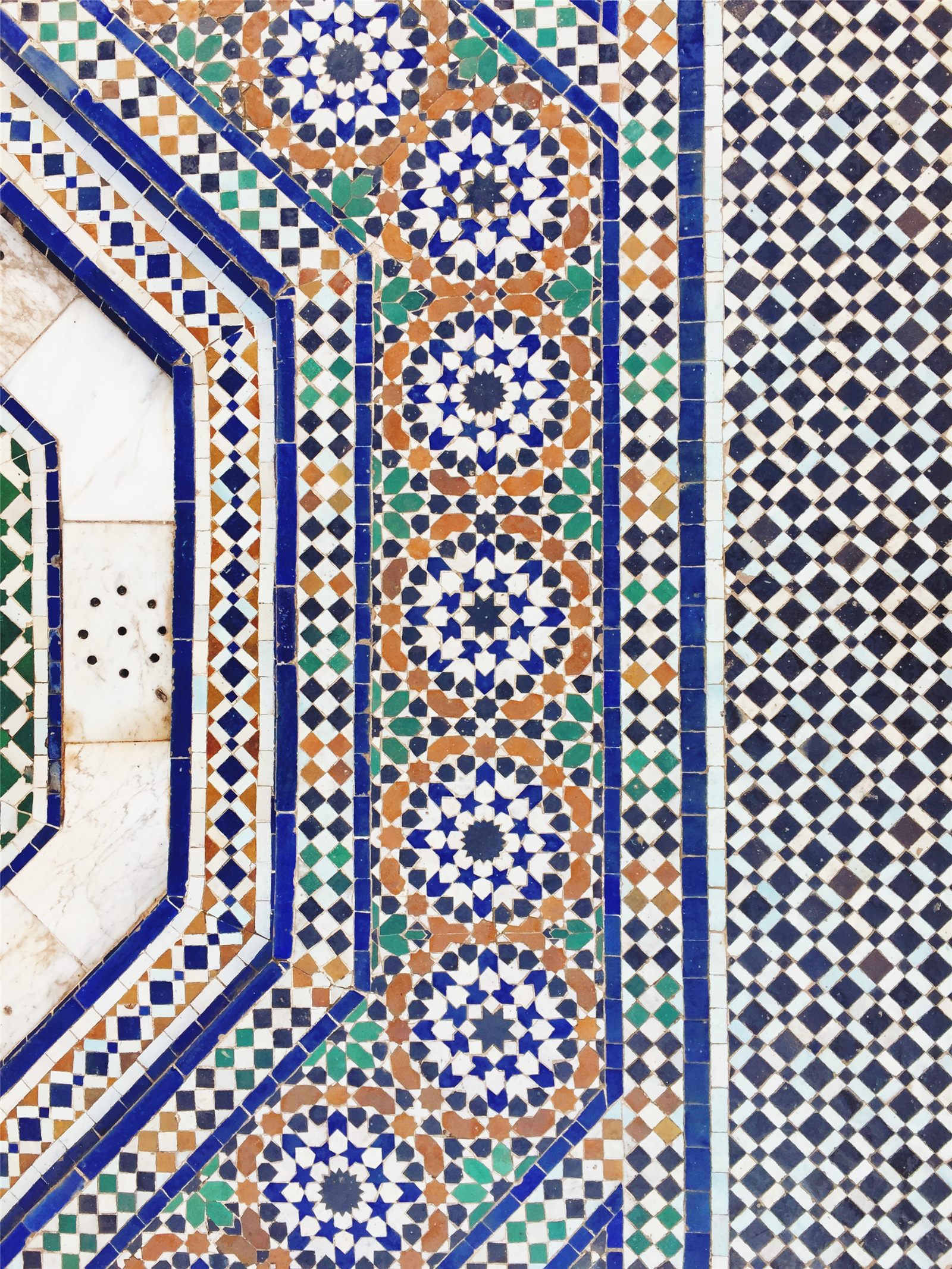
Bahia Palace can work well for families when the visit is short, visual and timed outside the strongest heat. Courtyards, fountains, patterns and changing spaces give children concrete things to notice.
Researched and updated 22 September 2026.
Make the visit active
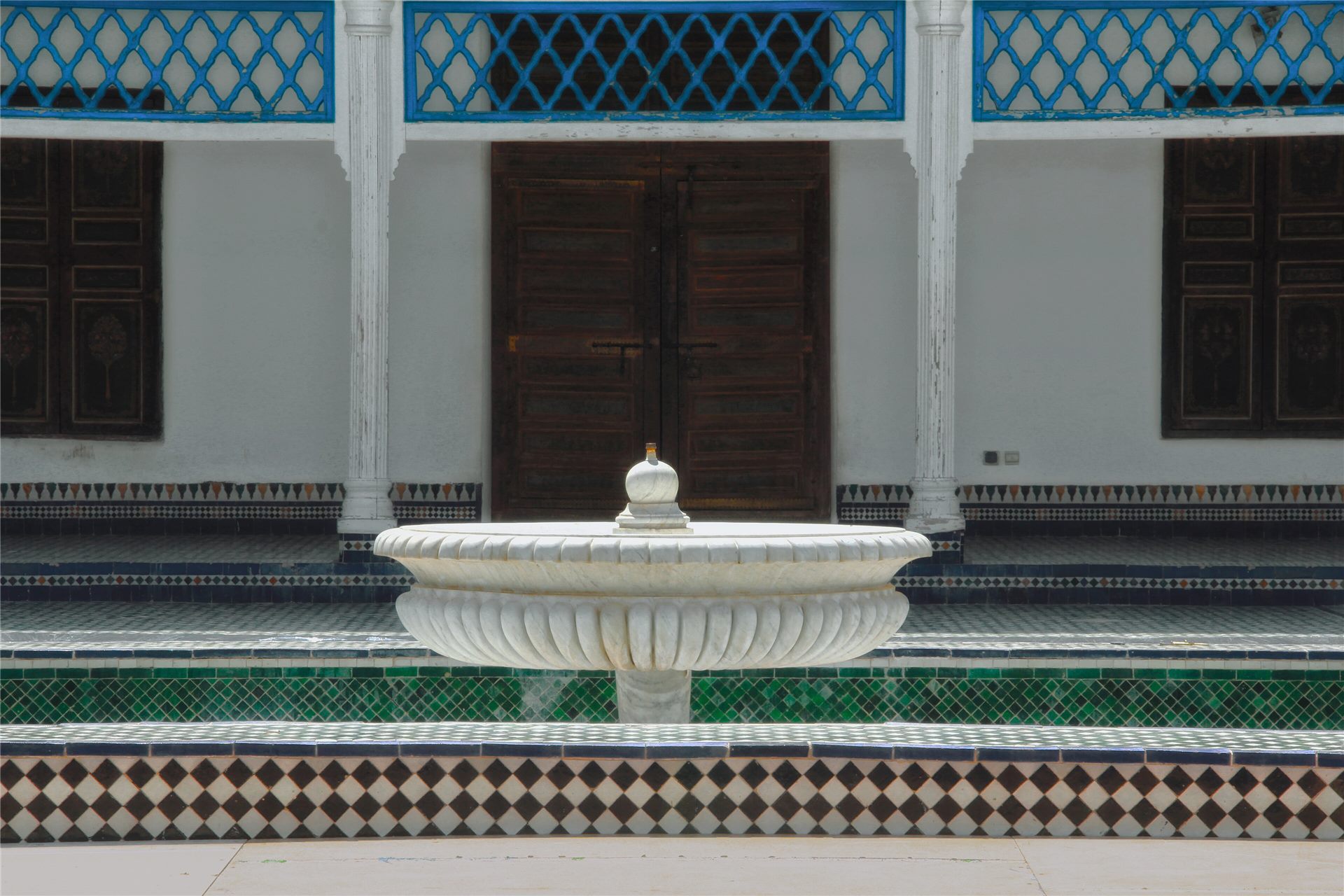
Ask children to find repeated stars, painted ceilings, fountains, orange trees and differences between large and small courtyards. A simple observation game gives structure without turning the visit into a lecture.
Plan for comfort
Arrive early, carry water and use shaded courts for pauses. Historic paving, thresholds and busy passages require attention with strollers and younger children. Keep the route flexible and leave before everyone is tired.
Respect the monument and other visitors
Children should stay close, avoid touching decorated surfaces and keep doorways clear. Follow staff instructions, especially where restoration or one-way circulation narrows the route.
Context that changes how you see it
A successful family visit is built around observation rather than a long spoken history. Give children three things to find—stars in the tilework, water in a courtyard and painted wood overhead—then let each discovery lead to one short explanation.
The palace is a historic environment with thresholds, uneven surfaces and busy passages. A stroller may be awkward even where the main route is ground-level, so ask staff about the easiest route and keep the schedule flexible.
Questions visitors ask
How long should families allow?
Around 45–75 minutes often works better than forcing a full adult-paced visit.
Can a stroller be used?
Conditions vary because of thresholds and uneven paving; ask staff about the current route.
What interests children most?
Fountains, geometric patterns, gardens and the contrast between small rooms and large courts.
Sources and method
We separate documented facts from visitor interpretation and revise this page when stronger evidence becomes available.