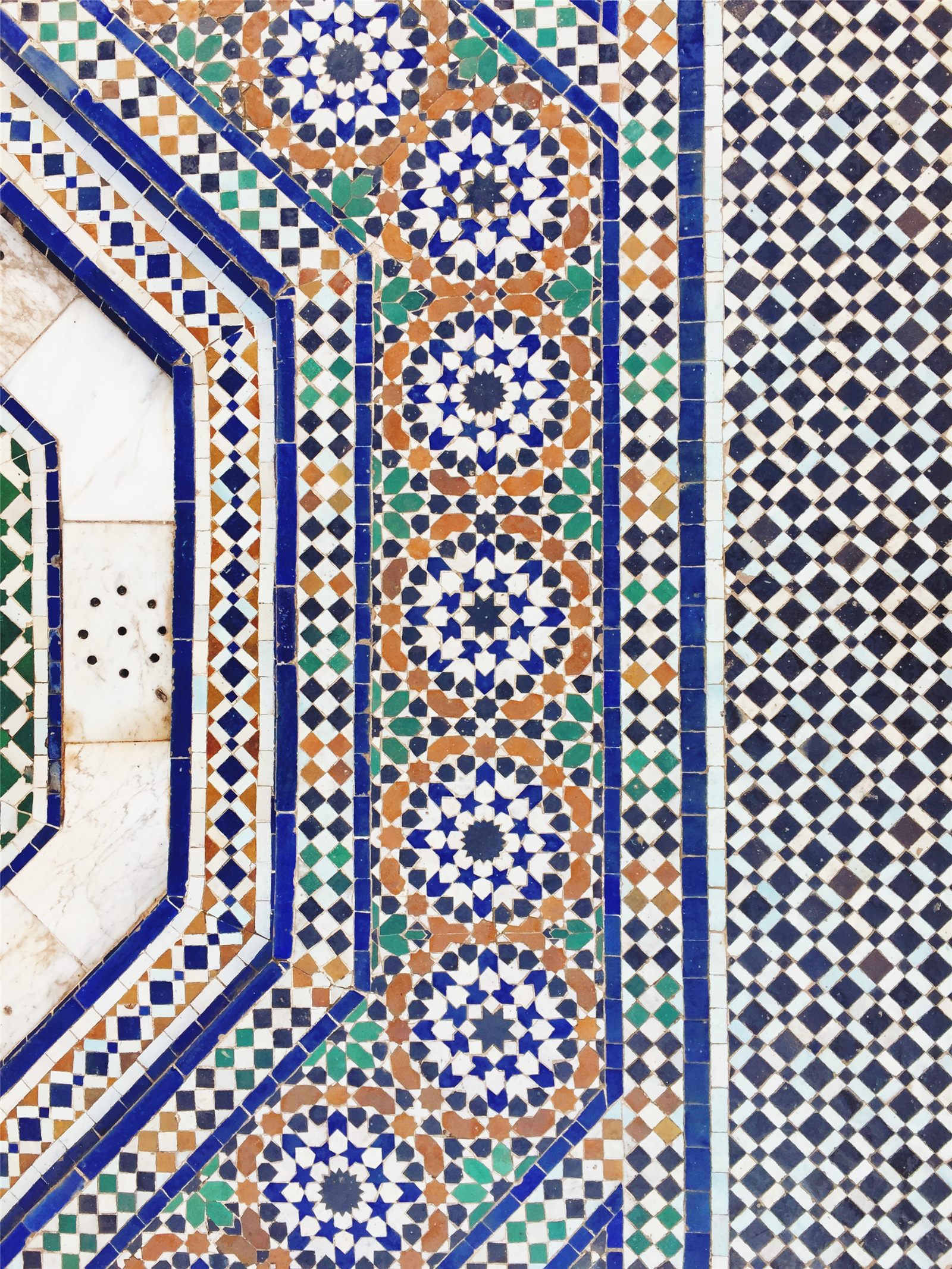
The best Bahia Palace photographs come from understanding light and circulation, not blocking the famous doorway. Use the Grand Courtyard, garden thresholds, ceilings and layered arches as four distinct compositions.
Researched and updated 22 September 2026.
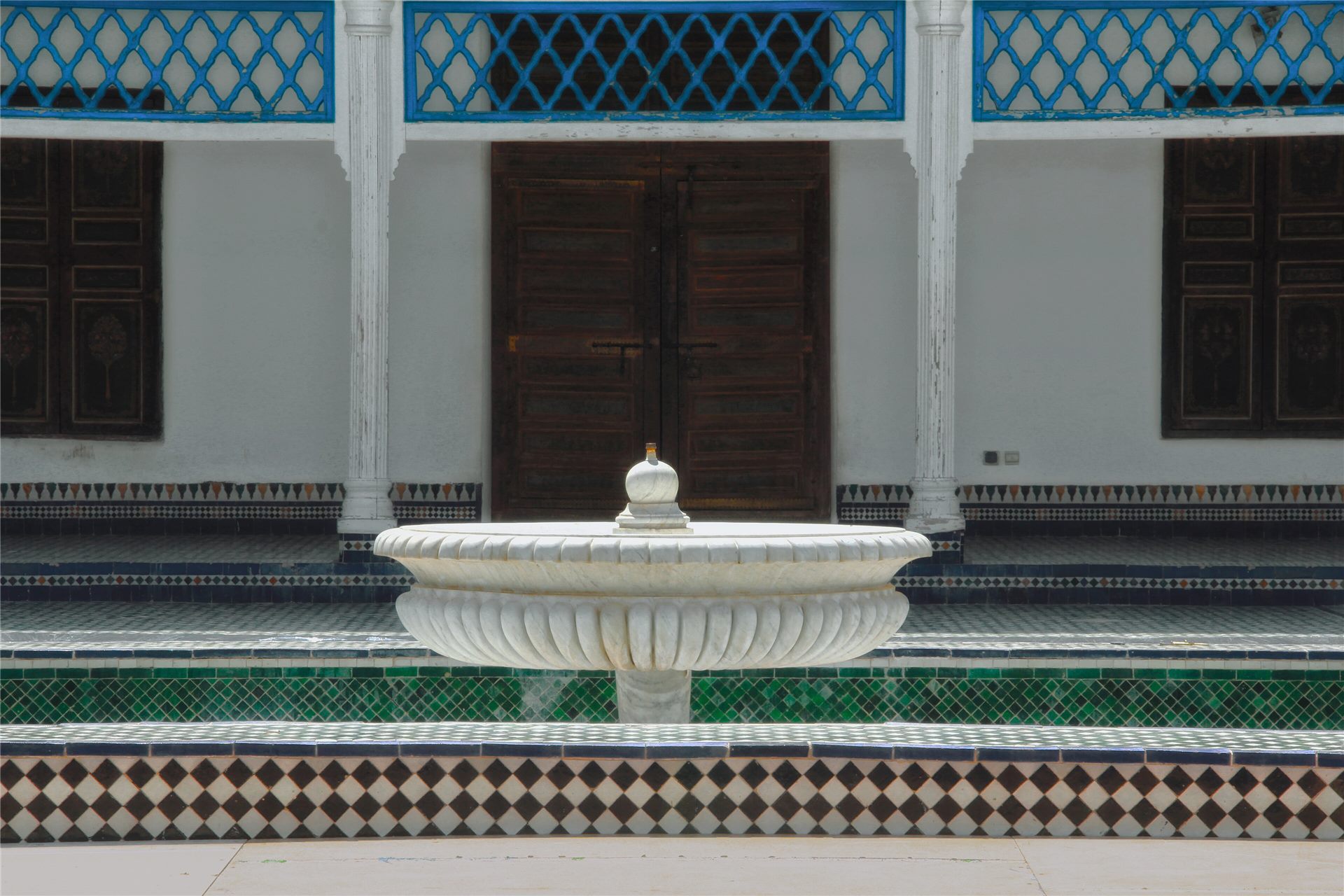
Grand Courtyard geometry
Use the tiled floor and arcades to build strong lines, but move away from the central flow before composing. A slightly lower viewpoint can emphasise pattern without including every visitor.
Frame gardens from shade
Doorways and arches create natural frames around planted courts. Expose for the bright garden and let the interior edge remain darker for depth. Wait at the side instead of occupying the threshold.
Ceilings and craft details
Make one wide image showing the ceiling in its room, then isolate a painted panel, carved plaster edge or zellige transition. Respect barriers and avoid touching surfaces or using unsupported equipment.
Context that changes how you see it
A “spot” is useful only if it respects circulation. The Grand Courtyard centre is visually obvious but often busy; edges, reflected lines and framed views from adjacent shade produce stronger images without holding up the route.
Photograph a sequence rather than collecting isolated patterns: one establishing view, one transition through an arch and one material detail. That set explains the palace better than many near-identical doorway portraits.
Questions visitors ask
When is the light best?
Early light is often softer, but each court changes with orientation and weather.
Can I use a tripod?
Do not assume it is allowed; follow current signs and ask staff for equipment beyond handheld photography.
May I photograph other visitors?
Avoid close identifiable photographs without permission.
Sources and method
We separate documented facts from visitor interpretation and revise this page when stronger evidence becomes available.