Today Bahia Palace is a protected monument and one of Marrakech’s most visited heritage sites. It remains a working conservation environment rather than a frozen historic interior.
Researched and updated 22 September 2026.
What visitors see now
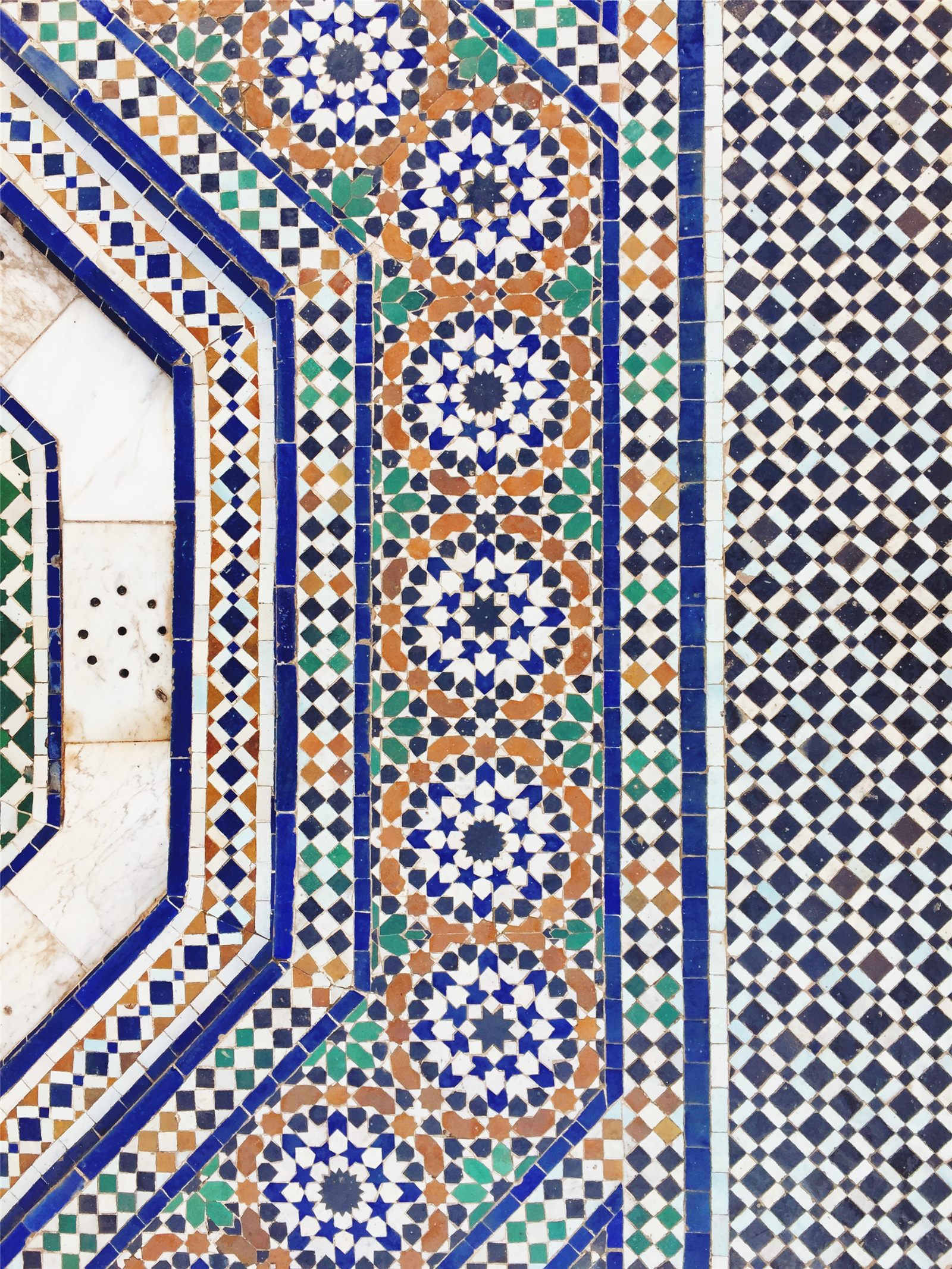
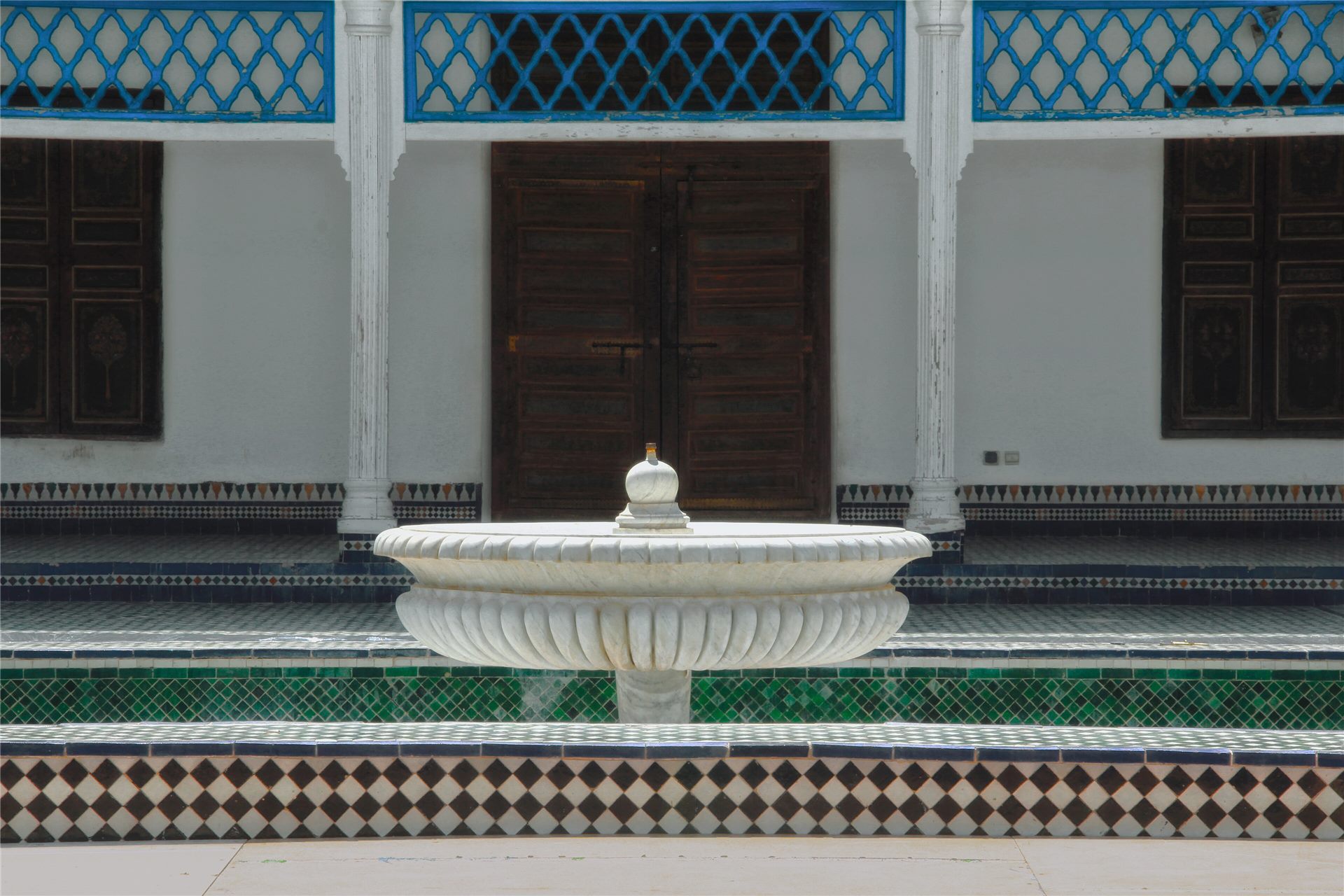
The experience centres on fixed architecture: courtyards, gardens, painted wood, zellige and carved plaster. Original movable furnishings are largely absent, so the building itself carries the historical story.
Conservation and changing access
Restoration, events and operational needs can close individual rooms or alter circulation. A complete visit means understanding the spaces available that day, not expecting every room shown in an old guidebook.
An independent guide’s role
This publication explains context and helps visitors plan, but it does not operate the monument. Current prices, opening times and access decisions should be confirmed through Morocco’s Ministry of Culture.
Context that changes how you see it
The 2025 restoration report records a longer institutional history: protection as a historic monument, later integration into the Royal Domains, public opening in 1998 and administration by the Ministry of Culture.
A visitor therefore sees both a nineteenth-century complex and an actively managed heritage site. Closures and route changes are part of conservation and operations; they should be reported as current conditions, not interpreted as permanent features.
Questions visitors ask
When did it open to the public?
The official restoration report states that it opened to the public in 1998.
Who manages it?
The report places it under Morocco’s Ministry of Culture as a historic monument.
Is every room always open?
No. Conservation, events and operations can change the accessible route.
Sources and method
We separate documented facts from visitor interpretation and revise this page when stronger evidence becomes available.